Back to libraryDaoist Foundation

What is Dao? Start at the root.

道 · The Way before the method

Dao is the root language behind Eastern Elements. From here, Tao Te Ching, Yi Ching, Yin-Yang, Five Elements, and daily practice become branches of one careful way of seeing pattern, timing, and conduct.

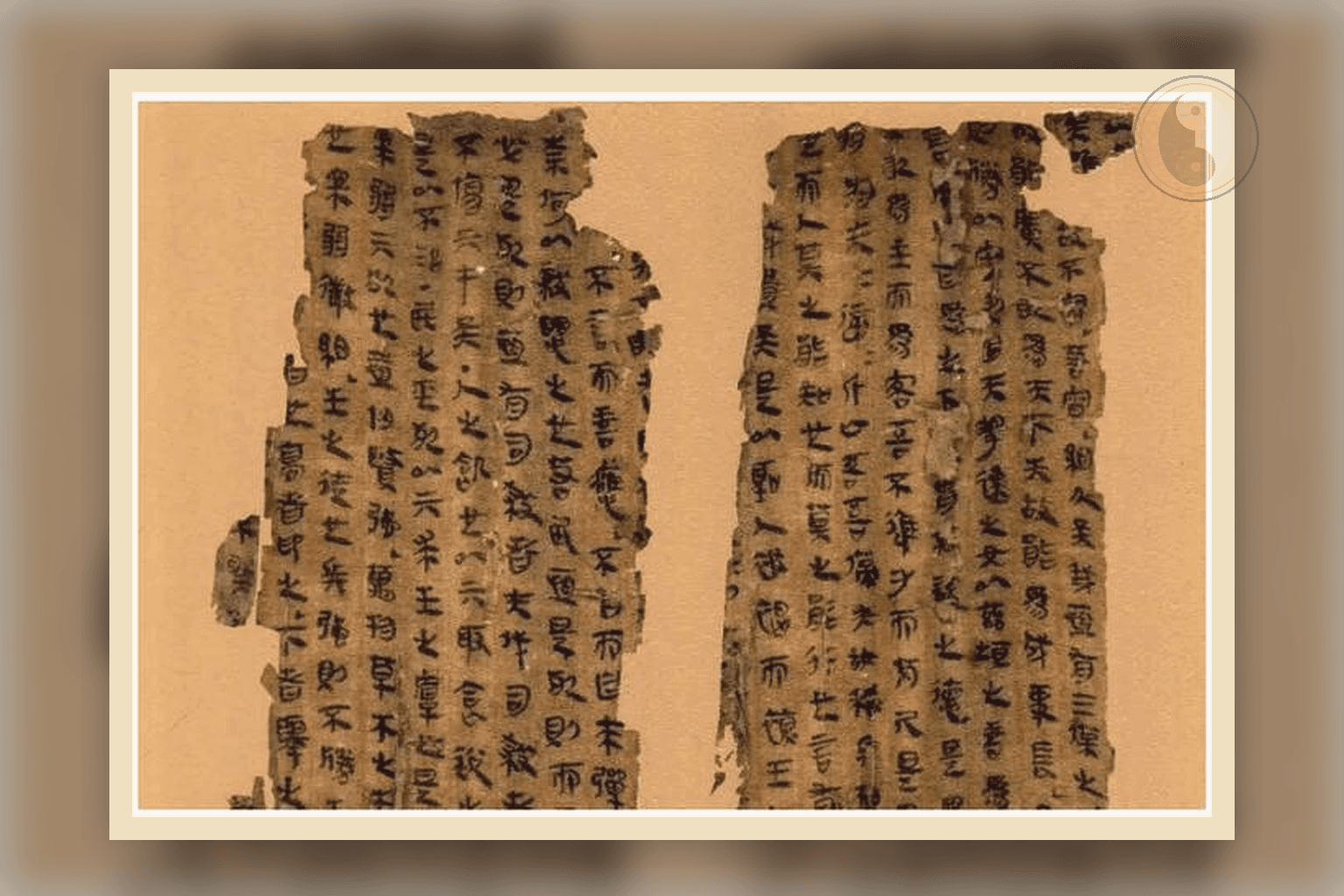
Mawangdui Tao Te Ching silk manuscript fragments arranged as an archival material study.
Quick answer

Dao means the Way, but not a fixed formula.

Dao can mean a road, path, course, method, or guiding way. In Daoist thought, it points toward the living movement of things before our names, plans, and systems make them rigid.

For this site, Dao is the foundation that keeps every later tool responsible: a reading should clarify the situation, not trap a person inside a label.

  • Dao is the root orientation: notice the grain of things before forcing a result.
  • De, Wu Wei, Ziran, Pu, and Qi explain how Dao becomes conduct, ease, naturalness, simplicity, and movement.
  • Yi Ching, Five Elements, and practice are branches for reading change and returning to balance.

Study method

Source first. Interpretation second. Practice third.

These pages avoid easy slogans. Each concept gives a classical anchor, a careful explanation, a common misuse boundary, and a small practice. The aim is not to freeze Daoist thought into definitions, but to keep the whole site intellectually honest and practically testable.

From root to branches

How Dao organizes the whole website.

Eastern Elements is not trying to collect disconnected Chinese symbols. The site starts with Dao, then uses classical pattern languages to help modern readers notice change, timing, relationship, and the next small action.

Responsible Use

What these pages are, and are not

Educational

They explain terms through classical and scholarly context.

Reflective

They turn concepts into questions for conduct, timing, and attention.

Not predictive

They do not promise fixed outcomes, destiny changes, healing, or wealth.

Not final definitions

Daoist terms are interpretive fields. A good page keeps the field open.

Source base

Where the page is anchored

FAQ

Beginner questions about Dao

What is Dao in simple terms?

Dao means the Way: a path, course, method, or underlying pattern. In Daoist thought, it points to the way things unfold before people turn them into rigid names, rules, or fixed systems.

Why does Eastern Elements start with Dao?

Dao is the root idea that keeps Yi Ching, Five Elements, Yin-Yang, and daily practice from becoming isolated labels or fortune-telling claims. The systems are branches for noticing pattern, timing, conduct, and balance.

Should beginners read Dao before Yi Ching or Five Elements?

Yes, if they want the clearest foundation. Dao gives the larger orientation: less forcing, better timing, and humbler interpretation. Yi Ching and Five Elements then become reflection tools rather than fixed identity boxes.

Is this page teaching religion?

No. Eastern Elements presents Daoist and classical Chinese ideas as cultural learning and careful self-reflection. It does not claim lineage authority, predict fixed outcomes, or replace professional advice.

Try the free readingReturn to library