Classical roots
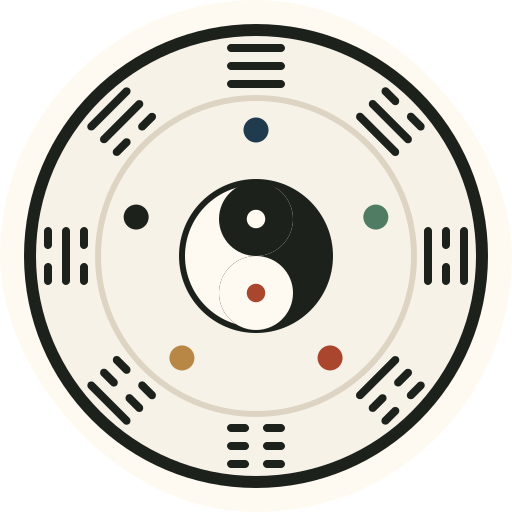
Eastern Elements draws from Daoist language, the Tao Te Ching, Yi Ching imagery, Yin-Yang, the Five Elements, seasonal qi, and cultivation traditions.
Eastern Elements is a quiet home for Daoist and classical Chinese wisdom, translated for modern readers who want pattern language, daily balance, and practical self-reflection without superstition or pressure.
Position
A clear boundary is part of the design. It helps the tradition stay respected and helps readers use the material without outsourcing their decisions to a chart, symbol, or product.
Eastern Elements draws from Daoist language, the Tao Te Ching, Yi Ching imagery, Yin-Yang, the Five Elements, seasonal qi, and cultivation traditions.
The site translates those ideas into reflective questions about temperament, timing, attention, daily rhythm, and the amount of force a situation needs.
Readings and products are educational prompts. They do not replace professional advice or promise luck, wealth, healing, protection, or fixed life outcomes.
The work is not to make ancient systems feel mysterious. The work is to make them usable, careful, and alive in ordinary days.
The free Five Elements reading gives visitors a first pattern language for noticing natural strengths, missing movements, and possible balance themes.
The Library keeps the reading rooted in texts and systems: Tao Te Ching, Yi Ching, Yin-Yang, Five Elements, seasonal rhythm, and Daoist cultivation.
A good insight should become a quiet action: one breath, one journal prompt, one adjustment in timing, one way to use less force.
Reports, ebooks, audio, and symbolic objects will be developed from real visitor interest rather than rushed into checkout before the brand is ready.
Eastern Elements readings, guides, products, and future ebooks are for cultural learning and personal reflection. They should not be used to diagnose a condition, predict a guaranteed outcome, make high-stakes decisions, or replace qualified professional support.