Read the Tao Te Ching from the Mawangdui root.
A growing Eastern Elements source-text path: Mawangdui context, careful modern readings, Daoist vocabulary, and one small practice at a time. The future ebook grows from this public Library, not from a hard-sell launch page.
The Tao Te Ching is a Daoist classic about the Way, conduct, and non-forcing.
The text is compact, layered, and easy to misuse as a quote collection. Eastern Elements reads it as a source-text path: first understand Dao and De, then test one idea through daily conduct.
The Mawangdui manuscripts matter because they preserve an early textual form where the De section comes before the Dao section, giving modern readers a practical doorway through lived integrity before abstraction.
- Use this page to move from source context into chapter readings and practice.
- Use the future ebook list only as an early-interest signal; no checkout is active.
- Keep the reading educational and reflective, not predictive or lineage-claiming.
Daoist basics
The root ideas behind the whole site.
Eastern Elements treats the Tao Te Ching as more than a quotation source. It is the root language behind the reading tool, the Library, the practice path, and future books or reports: observe the Way, use less force, return to balance.
The Way
Dao points to the natural course of things before names, plans, and preferences try to control the whole situation.
Open conceptDeQuiet integrity
De is the strength or integrity that appears when action is aligned with the Way instead of driven by performance.
Open conceptWu weiAction without forcing
Wu wei does not mean doing nothing. It means acting with the grain of the moment and removing unnecessary friction.
Open conceptZiranNaturalness
Ziran means self-so or naturalness: allowing things to be seen as they are before over-shaping them.
Open conceptSource base
Where this reading path is anchored.
A serious Tao Te Ching page should make its source path visible. These references help keep the public Library grounded while the independent edition is still in preparation.
Common starting questions
Use the question you already brought.
Strong benchmark sites help visitors enter through a live question, not only through a catalog. This path keeps the Tao Te Ching grounded: first understand the root, then read one chapter, then try one practice.
What is the Tao Te Ching?
Start here if you know the title but need a clear map of the text, Dao, De, Laozi, and Mawangdui context.
Read the overviewBeginner questionWhat does “Dao” actually mean?
Start here if Taoist language still feels abstract. This gives the root idea before moving into chapters or practice.
Read the foundationText questionWhy does the Tao Te Ching begin with naming?
Use the opening chapter to understand why the Way cannot be reduced to a label, slogan, or fixed doctrine.
Open the first readingLife questionHow do I act without forcing?
Enter through Wu Wei when the practical problem is pressure, over-control, conflict, or badly timed effort.
Try non-forcingPractice questionWhat can I try today?
Move from reading into a small daily rhythm: breath, journaling, seasonal attention, and one cleaner action.
View practicesReading Path
Begin with four clear doorways
The first release keeps the collection focused: manuscript context, the opening teaching on naming, water-like goodness, and wu wei as non-forcing action.
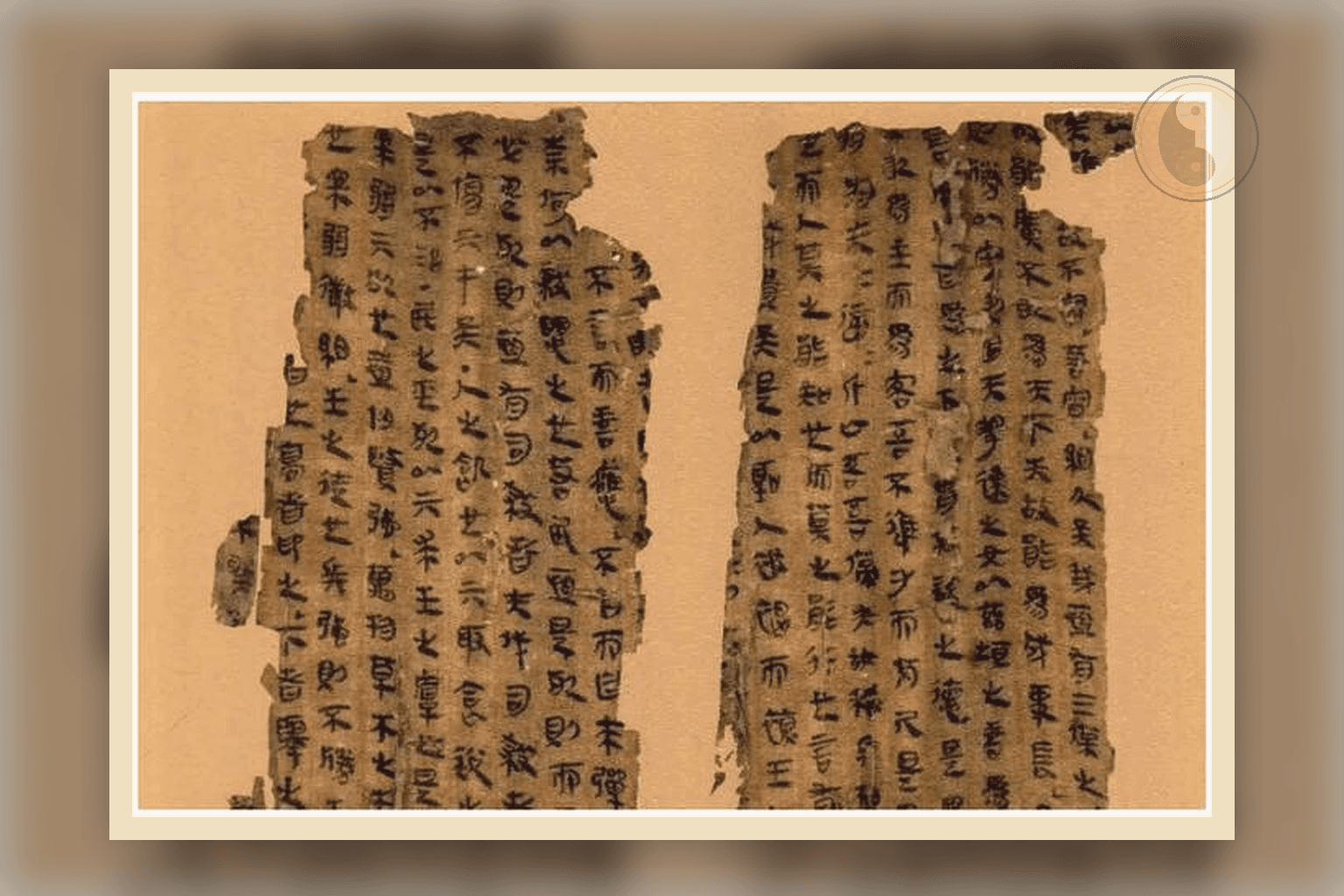
Mawangdui vs. received text
A clear beginner-friendly guide to the Mawangdui Tao Te Ching, its order, wording differences, and how Eastern Elements reads it as cultural reflection.
6 min readThe Way cannot be captured
A modern reading of the Mawangdui Tao Te Ching passage on the Way that cannot be named, with a practical reflection exercise.
5 min read
Highest good like water
A practical reading of the Tao Te Ching teaching that highest goodness is like water, with a simple daily practice.
5 min read
Wu wei without forcing
A beginner-friendly Tao Te Ching practice guide to wu wei, showing how non-forcing can become practical in daily life.
7 min readText first, practice second, certainty last.
Start with the source
Each page names the manuscript or practical context before offering a modern reading.
Translate into daily life
The language stays grounded: timing, conduct, attention, and the amount of force a moment needs.
Keep the boundary clean
These pages support cultural learning and self-reflection. They do not promise fixed outcomes.
Publication path
Build public trust before selling the full edition.
The best next commercial step is not rushing payment. It is making the public Library credible enough that the future ebook feels like a natural continuation.
Free source-text path
The website keeps short chapter readings, source notes, and practice prompts public so new readers can build trust first.
Future ebook
The ebook can later gather fuller chapter notes, Mawangdui ordering, modern reflections, and small practices in one polished format.
Interest before infrastructure
We measure early reader interest before adding company setup, payment providers, taxes, fulfillment, or launch promises.
The Mawangdui Tao Te Ching ebook is being prepared.
The public Library will stay free and useful. The future ebook will gather the fuller manuscript-based reading path into a polished independent digital edition with source context, modern reflections, and small practices.
- No checkout is connected yet.
- Early interest helps decide format, scope, and launch timing.
- The edition will stay educational and reflective, not predictive.
Beginner questions about the Tao Te Ching
What is the Tao Te Ching?
The Tao Te Ching, also called the Laozi or Daodejing, is a compact Chinese classic about Dao, De, non-forcing action, simplicity, softness, and returning to the root.
What is the Mawangdui Tao Te Ching?
The Mawangdui manuscripts are early Han silk manuscripts found at Mawangdui. They preserve an important early textual form of the work, including the De section before the Dao section.
Is this a full translation?
Not yet. This public Library page is a growing reading path with source notes, chapter readings, and practice reflections. The fuller independent digital edition is still being prepared.
How should beginners read this page?
Start with the manuscript context, then read one chapter reflection, then try one small practice. The point is careful understanding and daily conduct, not memorizing mystical slogans.
Is the future ebook available for purchase?
No checkout is connected yet. Visitors can register early interest so Eastern Elements can judge demand before building payment, company setup, or a full launch system.