Where the concept touches the text
Chapter 38
上德不德,是以有德。
Highest de does not perform itself as virtue; this is why it has de.
Chapter 51
道生之,德畜之。
Dao gives rise; de nurtures, sustains, or embodies.
Keep these distinctions clear
Not moral performance
De is not merely looking virtuous or proving goodness.
Integrity
De appears when conduct is coherent with the way things actually are.
Embodied Dao
If Dao names the way, de names how that way takes effect in beings and conduct.
Quiet strength
The strongest de often leaves less trace of self-display.
De is virtue without performance
English readers often hear virtue as moral excellence. That is not wrong, but it is incomplete. In Daoist usage, de also carries the sense of power, potency, or integrity: the way a thing is able to be fully itself.
This is why the Tao Te Ching can criticize performed virtue. When virtue becomes self-conscious display, it may already have drifted from de.
Beginning with De changes the doorway
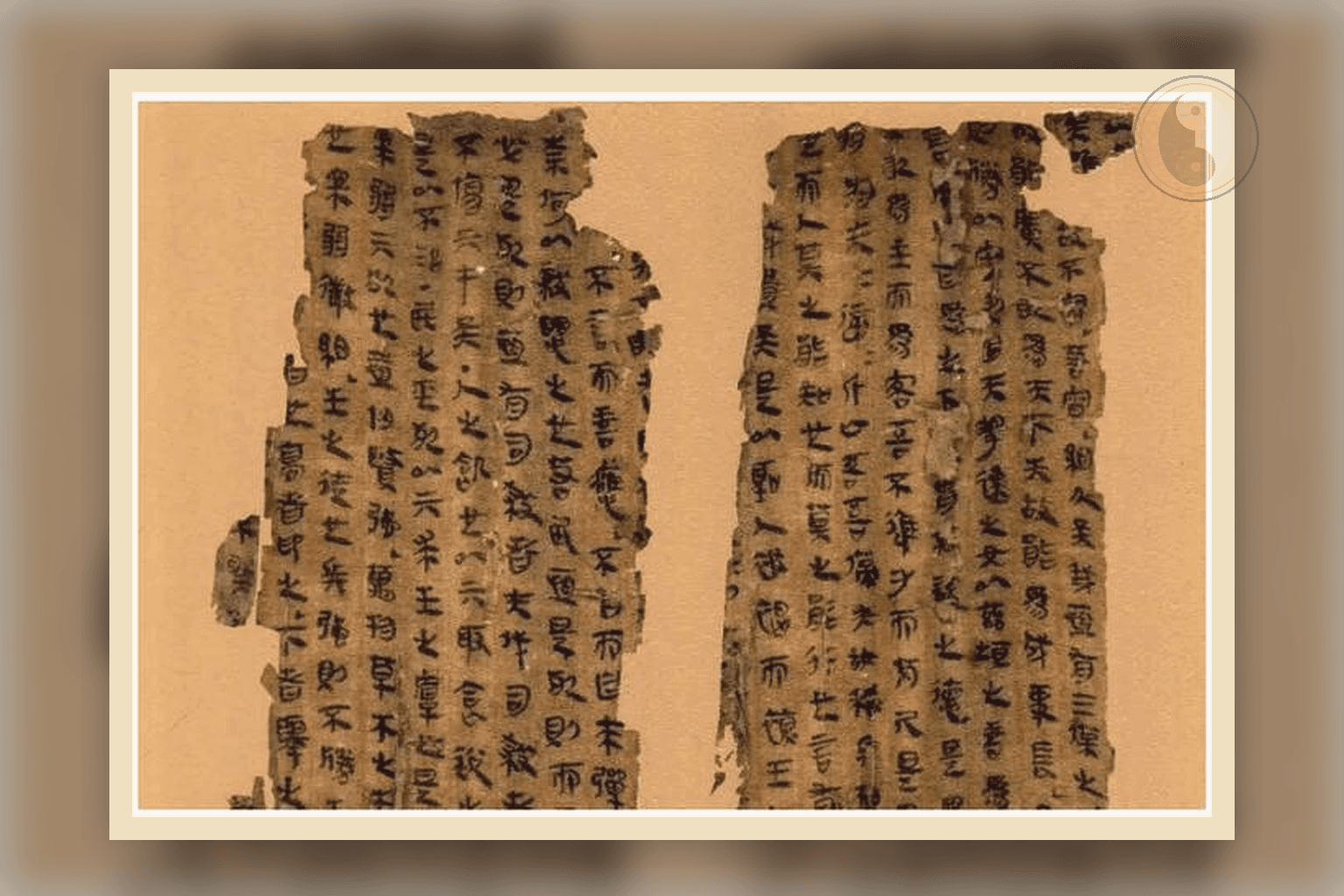
The Mawangdui manuscripts place the De section before the Dao section. That order is not just a curiosity. It invites readers to begin with conduct, power, and integrity before moving into more abstract language.
For a modern website, this matters. Daoist learning is not only a set of ideas. It must show up as calmer conduct, less force, better timing, and more honest attention.
How De shows up in ordinary life
A person with de does not need to turn every choice into a performance. There is steadiness in the action itself.
In work, de may look like doing the necessary thing cleanly. In relationships, it may look like warmth without manipulation. In practice, it may look like returning without drama.
Try it without making it heavy
Choose one action you are tempted to perform for approval.
Ask what the action would look like if no one praised it.
Do the cleaner version and let it be enough.
Questions to keep close
- Where am I performing virtue instead of living it?
- What would quiet integrity ask here?
- Which action would leave less self-display and more usefulness?
Common beginner questions
What does De mean in the Tao Te Ching?
De is commonly translated as virtue, but it also carries the sense of potency, integrity, efficacy, or embodied power. It is how the Way takes form in conduct and life.
Is De just morality?
No. De includes ethical force, but it is not only moral rule-following. In Daoist reading, it often points to quiet integrity that does not need to advertise itself.
Why does Mawangdui put De before Dao?
The Mawangdui manuscripts preserve an order in which the De section precedes the Dao section. That order encourages readers to begin with lived conduct and power before moving into more abstract language.