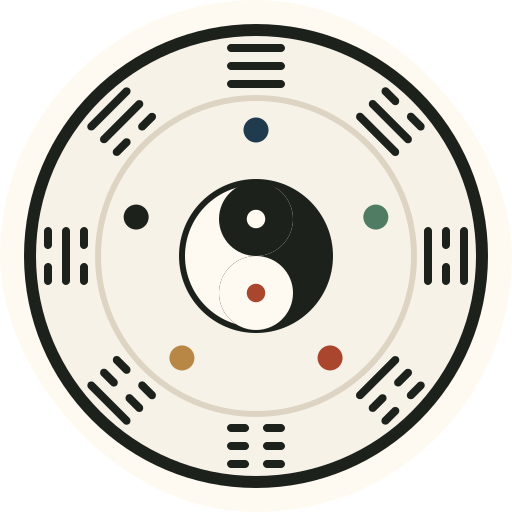
If you are new to Eastern wisdom
Begin with the root ideas before moving into readings or practice.
Eastern Elements can be entered without already knowing Daoism, Yi Ching, or Five Elements. Choose the doorway that matches your question, then return to the Daoist root behind it.
The site starts with Dao, then uses Yin-Yang, Five Elements, Yi Ching, Tao Te Ching readings, and daily practice as different doorways into pattern, timing, and balance.
For a first visit, take one free reading or read the Dao root page. Do not try to master the whole Library at once; one useful idea is enough.
Choose your doorway
New visitors arrive with different needs. Some want cultural grounding, some want Yi Ching, some want practice, and some want source material. Each path leads back to Dao as pattern, timing, and balance.
Begin with Dao, De, Wu Wei, Ziran, Pu, and Qi so the later systems do not feel like isolated techniques.
Open foundationI want Yi ChingFollow Yin-Yang lines into Eight Trigrams, hexagrams, responsible use, and short reflection pages.
Open Yi ChingI want practiceTry breath, journaling, seasonal attention, Baduanjin, and non-forcing practices that fit ordinary life.
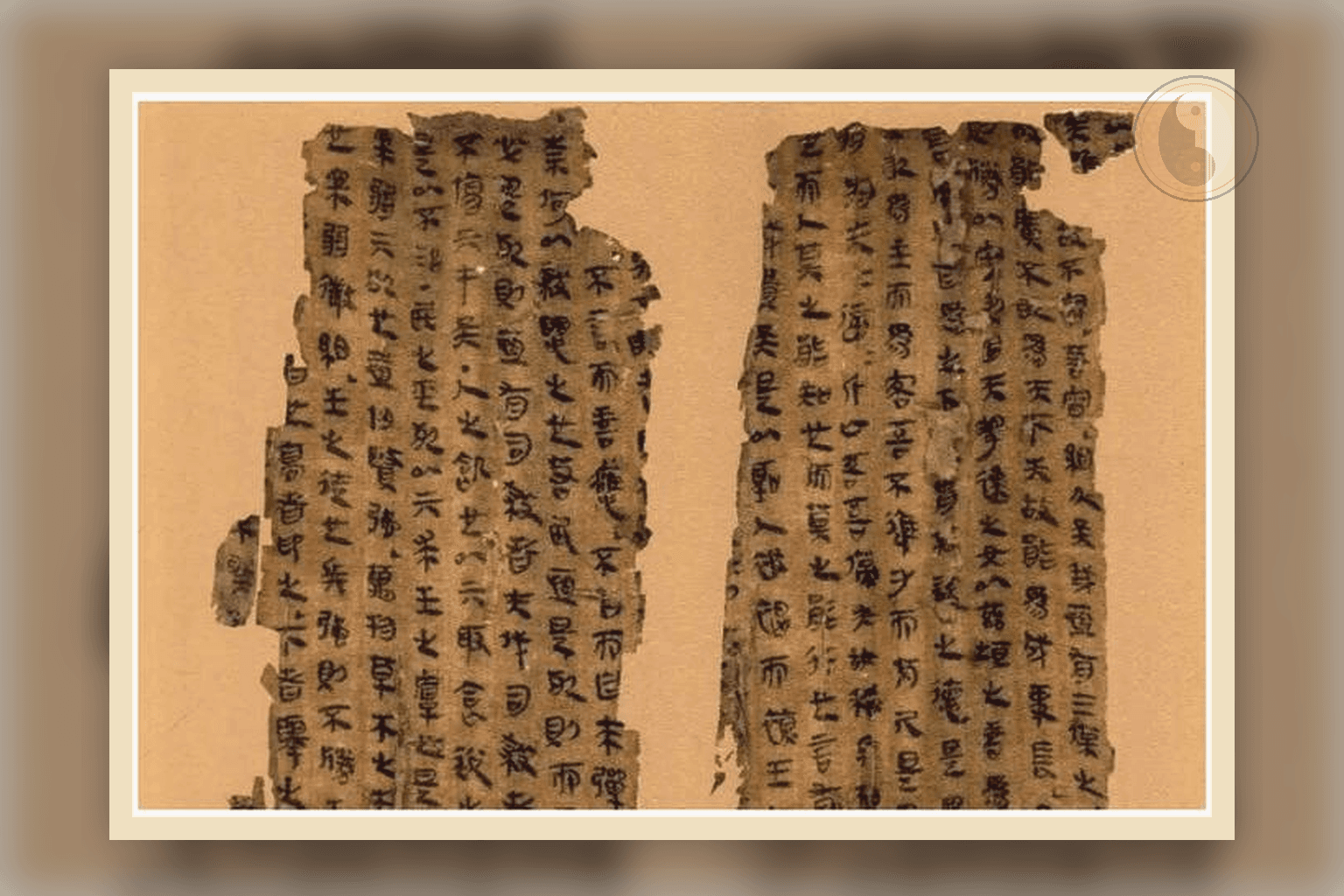
Start practiceI want depthUse the Mawangdui-based material, chapter notes, and future ebook path as the deeper study layer.
Open ebook pathLibrary map
Use this page as the map for external traffic from Quora, social posts, Pinterest, search, and future newsletter links. The goal is not more content at once; it is a clearer next click.
Begin with the root ideas before moving into readings or practice.
Learn the symbol system first, then use readings as reflection rather than certainty.
Choose one embodied or reflective practice and test it gently in ordinary life.
Move into Tao Te Ching, Mawangdui context, sources, and future independent editions.
The path
The site is built around one simple sequence: understand the Daoist source language, read the major pattern systems, then apply one idea gently in ordinary life.
Learn the root vocabulary first: Dao, De, Wu Wei, Ziran, Pu, and Qi. This keeps the whole site grounded.
Open step02See change through paired movement: rest and activity, hidden and visible, returning and rising.
Open step03Use Wood, Fire, Earth, Metal, and Water as movements of growth, expression, grounding, refinement, and depth.
Open step04Move from Yin-Yang lines into Eight Trigrams, then read hexagrams as images for timing, conduct, and careful response.
Open step05Turn the ideas into breath, journaling, seasonal rhythm, and one small act of non-forcing.
Open stepSource base
Eastern Elements is not trying to make tradition look mysterious. It should help a new reader see where the language comes from, then use it carefully in modern life.
Only have 10 minutes?
For a first visit, do not try to read the whole Library. Generate one personal result, learn the key term behind it, and try one small practice.
Use your birth date as a first Five Elements reflection. Treat it as language for attention, not a fixed verdict.
Start hereSource ideaUnderstand why the site speaks about pattern, vitality, and movement with careful boundaries.
Start herePracticeChoose one situation where less pressure and cleaner timing would be more useful than more effort.
Start here7-day starter
You do not need to absorb a tradition all at once. Start with a few essential ideas, test them against ordinary life, and leave the rest for later.
Read a short introduction to Dao as a way of noticing pattern, relation, and change, not as a thing to possess.
Read DaoUse Ziran to look for one situation where you may be adding effort that is not actually needed.
Explore ZiranChoose one pressure point and ask which action is necessary, and which extra force can be removed.
Practice Wu WeiOpen the Tao Te Ching hub and stay with one image rather than trying to settle the whole book.
Open Tao Te ChingTry the Yi Ching reflection method: name the situation, notice the pattern, and choose one grounded next step.
Try reflectionTry a short breath, stillness, or Baduanjin practice, then notice what becomes quieter or clearer.
Open practiceTake the week into one real work, relationship, or timing problem. Use it as a practice, not a belief test.
Use it in lifeHow to use this site
A serious cultural wisdom site needs boundaries. These ideas are strongest when they help attention and conduct, not when they become fear, certainty, or prediction.
Eastern Elements uses classical Chinese pattern language as a mirror for attention, timing, temperament, and balance.
The learning path connects practical guidance back to Daoist concepts, Tao Te Ching readings, Yi Ching images, and Five Elements language.
The site is still in validation. Free reading, learning, and practice come before reports, ebooks, audio, or symbolic goods.
Eastern Elements is a Daoist-rooted cultural wisdom site for modern self-reflection. It connects Dao, Tao Te Ching, Yin-Yang, Five Elements, Yi Ching, and daily practice.
Begin with the 7-day Taoism starter path if you want a calm sequence. Start with Dao, then move to Ziran, Wu Wei, one Tao Te Ching passage, a Yi Ching reflection, and a small practice. Use the free Five Elements reading later when you want a personal mirror.
No. This is a cultural and reflective starting path. Read texts, test practices gently, and retain your own judgment; nothing here requires you to accept a prediction or doctrine.
No. The reading uses pattern language for attention, timing, and balance. It does not predict fixed outcomes or replace professional advice.
Dao gives the whole site its foundation: observe the Way, reduce unnecessary force, return to balance, and test ideas through daily conduct.
The public Library, free reading, and guide paths are active. Future reports, ebooks, audio, and products should grow only after real reader interest is proven.
The reading gives you a personal entry point. The Library gives that result a more serious foundation in Dao, Qi, Five Elements, and daily practice.