
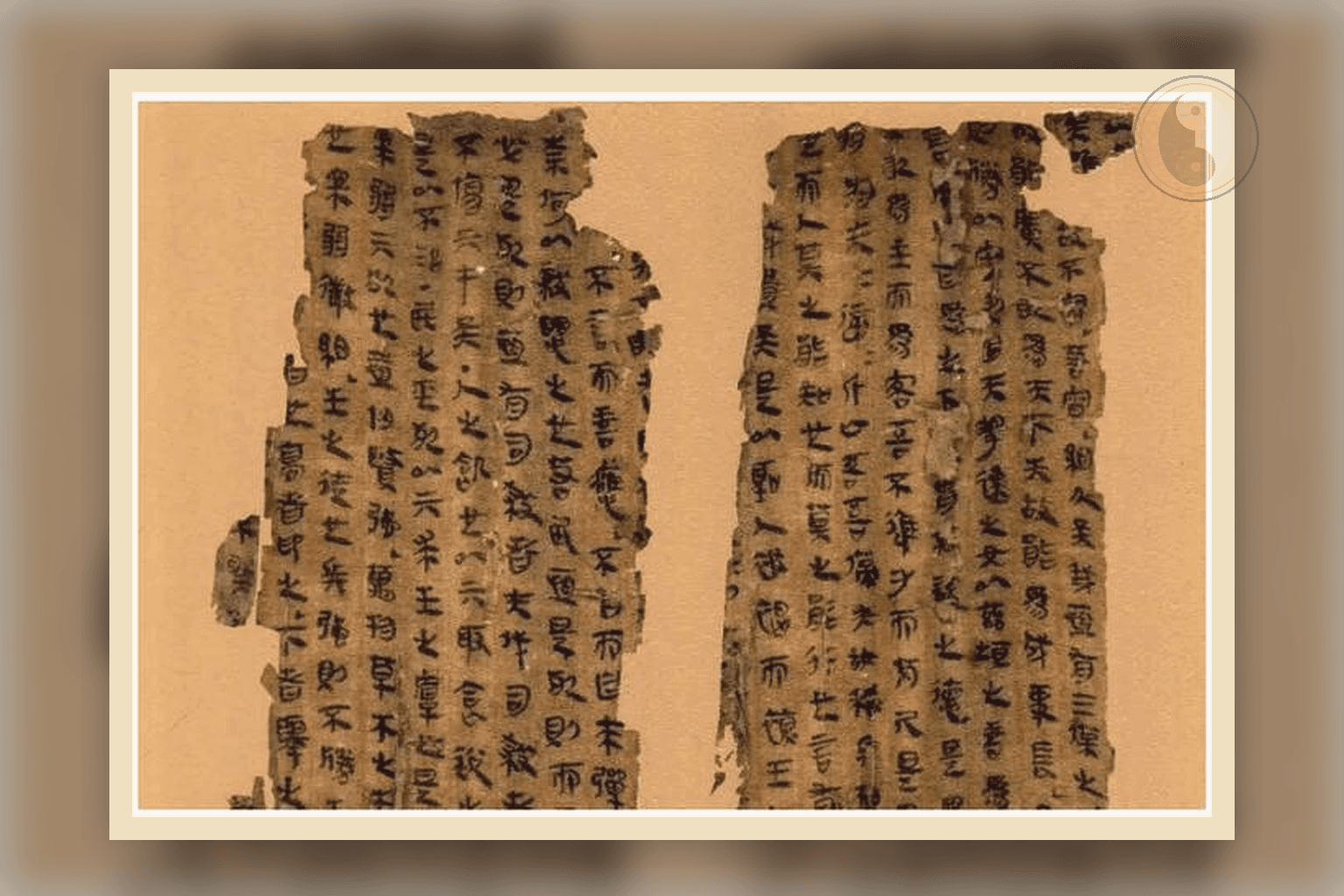
One Chinese Word, Two Romanizations
The Chinese word is 道. In Daoist thought, it is often translated as the Way, but it can also carry the sense of path, course, method, teaching, or the way things proceed.
English readers often see Tao because older translations used Wade-Giles romanization. Dao comes from pinyin, the modern standard system for spelling Mandarin Chinese sounds with the Roman alphabet. The difference is spelling history, not a separate root concept.
Why Tao Still Appears Everywhere
Tao remains common because influential English translations, publishers, bookstores, teachers, and search habits made it familiar. Phrases like Tao Te Ching, Taoism, and Taoist practice are deeply established in English.
This is why a modern site may still use Tao in titles or familiar phrases. It helps readers recognize what they are looking for, especially when they arrive from search, social platforms, or older books.
Why Dao Is Often More Precise
Dao is the pinyin spelling. It is closer to the romanization system now used in Chinese-language learning, scholarly contexts, and many contemporary introductions.
Using Dao also makes related terms easier to read together: Dao, Daoism, Daodejing, and Daoist thought. It reminds the reader that the word is not an exotic English label, but a Chinese term with a long textual and living tradition.
How Eastern Elements Handles It
Eastern Elements uses both spellings carefully. We use Taoism and Tao Te Ching when those forms help English readers find the material. We use Dao when explaining the root concept and related vocabulary.
The important discipline is not to turn spelling into confusion. Whether a visitor searches Taoism, Daoism, Tao Te Ching, or Dao De Jing, the site should lead them back to the same root: 道 as the Way.
The Beginner Rule
If you are reading an older English book, expect Tao. If you are reading a newer academic or Chinese-learning source, expect Dao. If you are reading Eastern Elements, expect both where each helps.
Once the spelling is clear, move on to the real question: how does the Way show up in action, timing, simplicity, humility, and the habit of using less unnecessary force?
Everyday example
A reader may search "Taoism for beginners" because that is the spelling they know from bookstores or old translations. The same reader may later see "Dao" in a university source or Chinese-learning context.
Instead of treating the difference as a contradiction, read it as a bridge: Tao helps many English readers enter; Dao keeps the connection to modern romanization visible.
Terms to keep close
Tao
Older Wade-Giles spelling, still common in English titles and search.
Dao
Modern pinyin spelling for 道, often preferred in contemporary study.
Daoism / Taoism
Usually two spellings for the same broad tradition in beginner contexts.
Daodejing / Tao Te Ching
Different romanizations of the same classic text title.
The Way
A practical translation doorway, but not the full range of the Chinese word.
Historical notes
Older English books often used Wade-Giles forms such as Tao and Tao Te Ching, which remain familiar to general readers.
Pinyin forms such as Dao, Daoism, and Daodejing are now common in Chinese learning and many contemporary scholarly contexts.
A responsible public site can use both spellings, as long as it explains the difference and keeps the concept clear.
Common beginner questions
Are Taoism and Daoism the same thing?
In most beginner contexts, yes. Taoism and Daoism usually refer to the same Chinese tradition centered on Dao, or the Way. The two English spellings come from different romanization systems.
Why do some books say Tao and others say Dao?
Tao comes from the Wade-Giles romanization system, which shaped many older English-language books. Dao comes from pinyin, the modern standard romanization used for Mandarin Chinese. Older titles such as Tao Te Ching remain familiar even when a writer uses Dao elsewhere.
Which spelling does Eastern Elements use?
Eastern Elements uses Dao for the concept when precision is useful, and Tao in familiar phrases such as Taoism and Tao Te Ching when that helps English readers find their way. The page always treats both spellings as pointing back to 道.
Does Dao only mean path?
Dao can mean path, road, way, method, teaching, course, or the deeper Way in Daoist thought. That range is why a single English word can feel too narrow.
Should beginners worry about the spelling?
Only a little. The spelling matters for clarity and search, but it should not become a wall. Start with the idea: Dao names the Way before fixed labels, rigid methods, or forced control.