道可道也
道可道也,非恒道也。
名可名也,非恒名也。
无名,万物之始也;有名,万物之母也。
故恒无欲也,以观其妙;恒有欲也,以观其所徼。
两者同出,异名同谓。玄之又玄,众妙之门。
The Way that can be spoken of is not the constant Way.
The name that can be named is not the constant name.
Without naming, we see the beginning. With naming, we meet the world of forms.
Read this note with its anchors visible.
These chapter notes are written as a public learning path, not as isolated quotes. Use the external references for text context, then return to the Eastern Elements Library for Dao, practice, and the future Mawangdui ebook path.
Language helps, then it gets in the way
Names help human beings orient. We need names for work, relationships, plans, and decisions. But the opening teaching asks us not to mistake the name for the living situation.
When a person names something too quickly as failure, success, crisis, destiny, or proof, the label begins to replace direct contact. The Tao Te Ching asks for a pause before the label becomes the whole world.
The force of heng
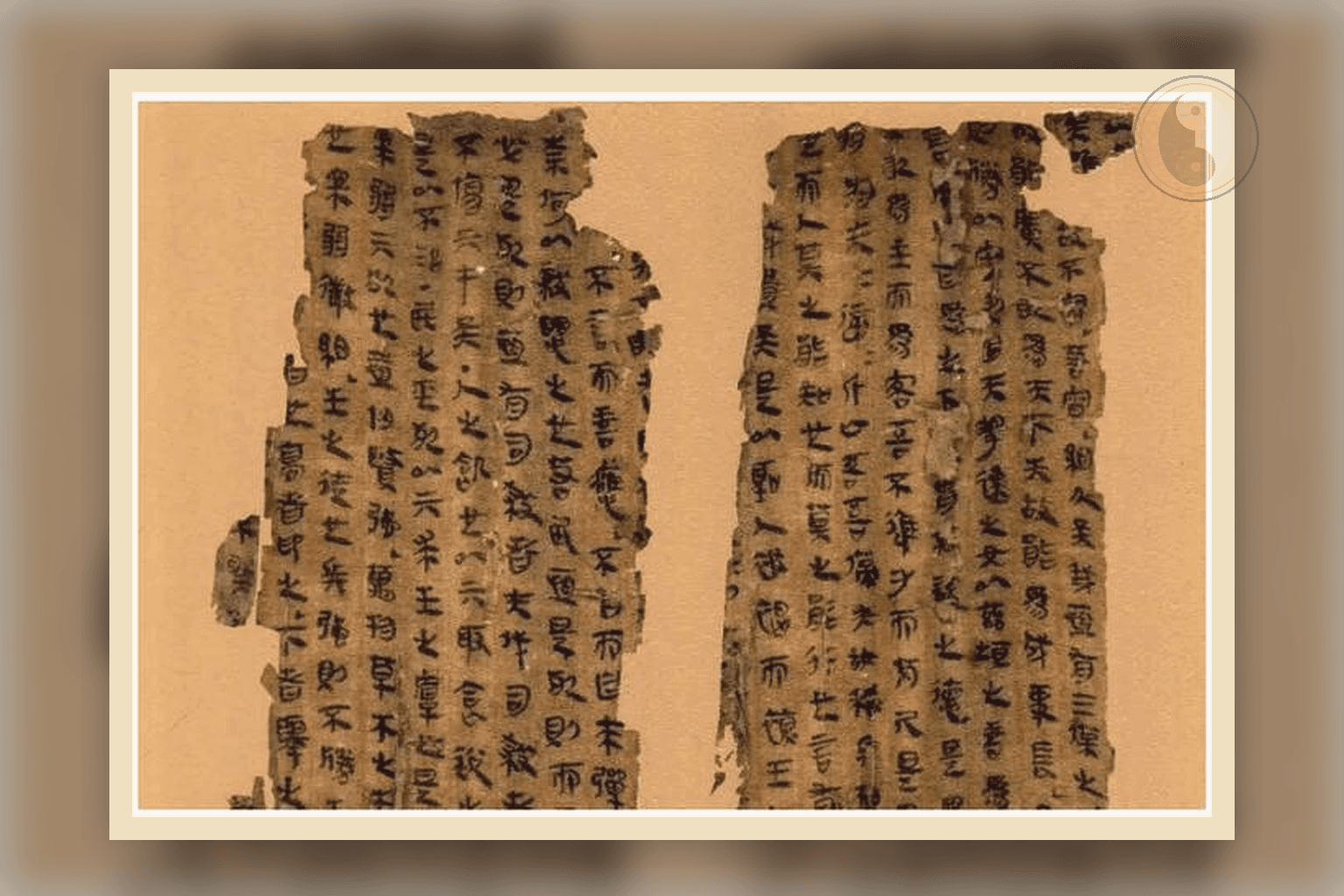
The Mawangdui wording uses heng, often rendered as constant. That word gives the passage a practical feeling. It is not only about an unreachable metaphysical eternity. It is about a pattern that remains steady while our names shift.
This difference matters because beginners often feel that Dao is too abstract to use. Constant makes the teaching easier to test: what keeps operating underneath my changing interpretations?
A daily way to use it
Before reacting to a difficult message, a poor number, or an awkward conversation, notice the first name your mind gives it. Then ask what is present before that name.
This is not avoidance. It is a cleaner beginning. Once you see more than the label, action can become less automatic and more responsive.
Try it gently
Sit quietly for five minutes.
Look at one ordinary object without naming it.
When a label appears, notice it and return to simple seeing.
Questions to keep close
- What label have I been treating as reality?
- What changes when I look before naming?
- What is still true beneath my current interpretation?
Common beginner questions
What does “the Way that can be spoken is not the constant Way” mean?
It means language can point toward the Way, but no fixed wording can contain the living pattern itself. Names are useful maps, not the whole path.
Why does Eastern Elements say “constant Way”?
The Mawangdui wording uses heng, often read as constant. That makes the passage feel practical: a stable pattern remains beneath changing names and interpretations.
Is this a complete Tao Te Ching translation?
No. This is a public reading path with selected Mawangdui-based notes, plain-language reflections, and daily practices. A fuller independent ebook is still in preparation.
Is this page for fortune telling?
No. Eastern Elements treats the Tao Te Ching as cultural learning and personal reflection. It does not predict fixed outcomes or replace professional advice.
From this note into the future edition
The public Library should become useful before the independent ebook is sold. If this note is the kind of reading you would want in a fuller edition, join the early reader list and keep exploring the source path.