帛书《老子》
德经先,道经后。
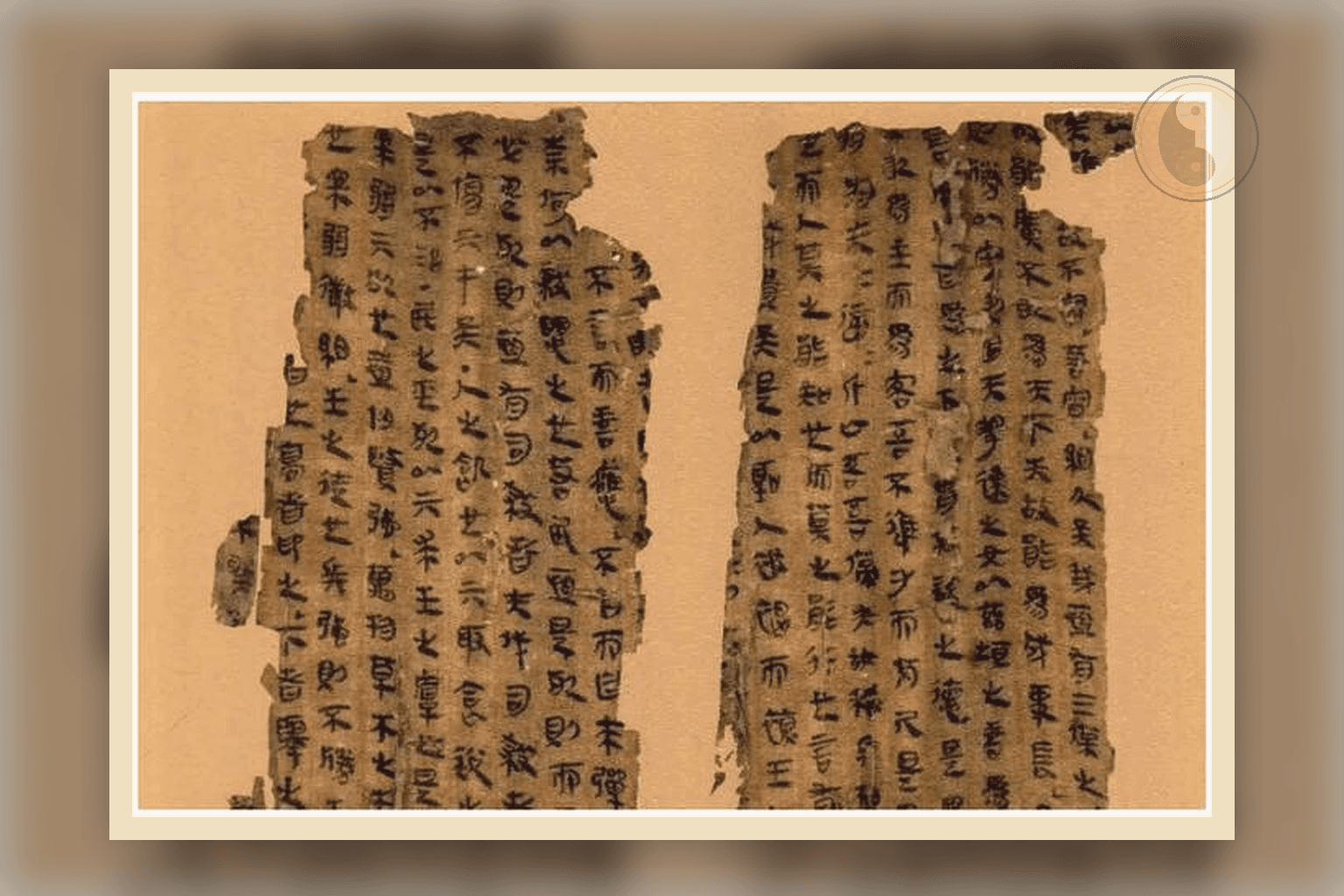
In the Mawangdui manuscripts, the Book of Virtue appears before the Book of the Way. That order changes the reader's first doorway into the text.
Read this note with its anchors visible.
These chapter notes are written as a public learning path, not as isolated quotes. Use the external references for text context, then return to the Eastern Elements Library for Dao, practice, and the future Mawangdui ebook path.
What was found at Mawangdui
In 1973, archaeologists excavated early Han tombs at Mawangdui near Changsha. Among the manuscripts were two silk copies of the text later known as the Tao Te Ching.
These manuscripts are valuable because they preserve an older textual layer than the common received edition. They do not make every later version wrong. They give readers another angle on how the text moved through history.
Why De before Dao changes the entry point
Most modern readers meet the Tao Te Ching through the Dao Jing first: the famous opening about the Way that cannot be fully named. In Mawangdui, the De Jing comes first.
That order begins with virtue, conduct, strength, and the way power behaves before it turns toward the more abstract language of Dao. For beginners, it can make the book feel less like mist and more like a guide to lived character.
Constant, not only eternal
One famous difference is the use of heng, often read as constant, where later received editions use chang, often read as eternal or constant. The shift is usually connected with Han naming taboo around Emperor Wen, Liu Heng.
For a modern reader, constant can feel more practical than distant. It points to a stable pattern that keeps operating beneath changing names, moods, ambitions, and interpretations.
How these pages read the text
Eastern Elements uses the Mawangdui text as a cultural and reflective source. Each page keeps three layers together: a source note, a plain-language rendering, and a small practice for ordinary life.
The aim is not to prove one final translation. The aim is to help Western readers approach the text with humility, clarity, and a habit of testing the idea gently in daily conduct.
Try it gently
Read one passage once for meaning and once for rhythm.
Notice one word that changes the feeling of the passage.
Turn that word into one small behavior you can try today.
Questions to keep close
- What changes when virtue comes before metaphysics?
- Where am I treating a label as if it were the whole thing?
- What older context would make this idea easier to use responsibly?
Common beginner questions
What is the Mawangdui Tao Te Ching?
It refers to early silk manuscript versions of the text discovered at Mawangdui. They preserve important differences in order and wording compared with the later received text.
Does Mawangdui prove the received text is wrong?
No. It gives readers an earlier witness and a wider historical view. It should be used as context, not as a simple replacement for every later tradition.
Is this a complete Tao Te Ching translation?
No. This is a public reading path with selected Mawangdui-based notes, plain-language reflections, and daily practices. A fuller independent ebook is still in preparation.
Is this page for fortune telling?
No. Eastern Elements treats the Tao Te Ching as cultural learning and personal reflection. It does not predict fixed outcomes or replace professional advice.
From this note into the future edition
The public Library should become useful before the independent ebook is sold. If this note is the kind of reading you would want in a fuller edition, join the early reader list and keep exploring the source path.