
Start with one phrase instead of trying to memorize a long list. Let the wording stay small enough to remember.
Free guidesFree guide
Chinese Wisdom Sayings PDF
21 Chinese idioms and proverbs for weekly reflection, practical judgment, and a more grounded way to read classical wisdom.
First edition availableFree PDF downloadContext + reflection prompts
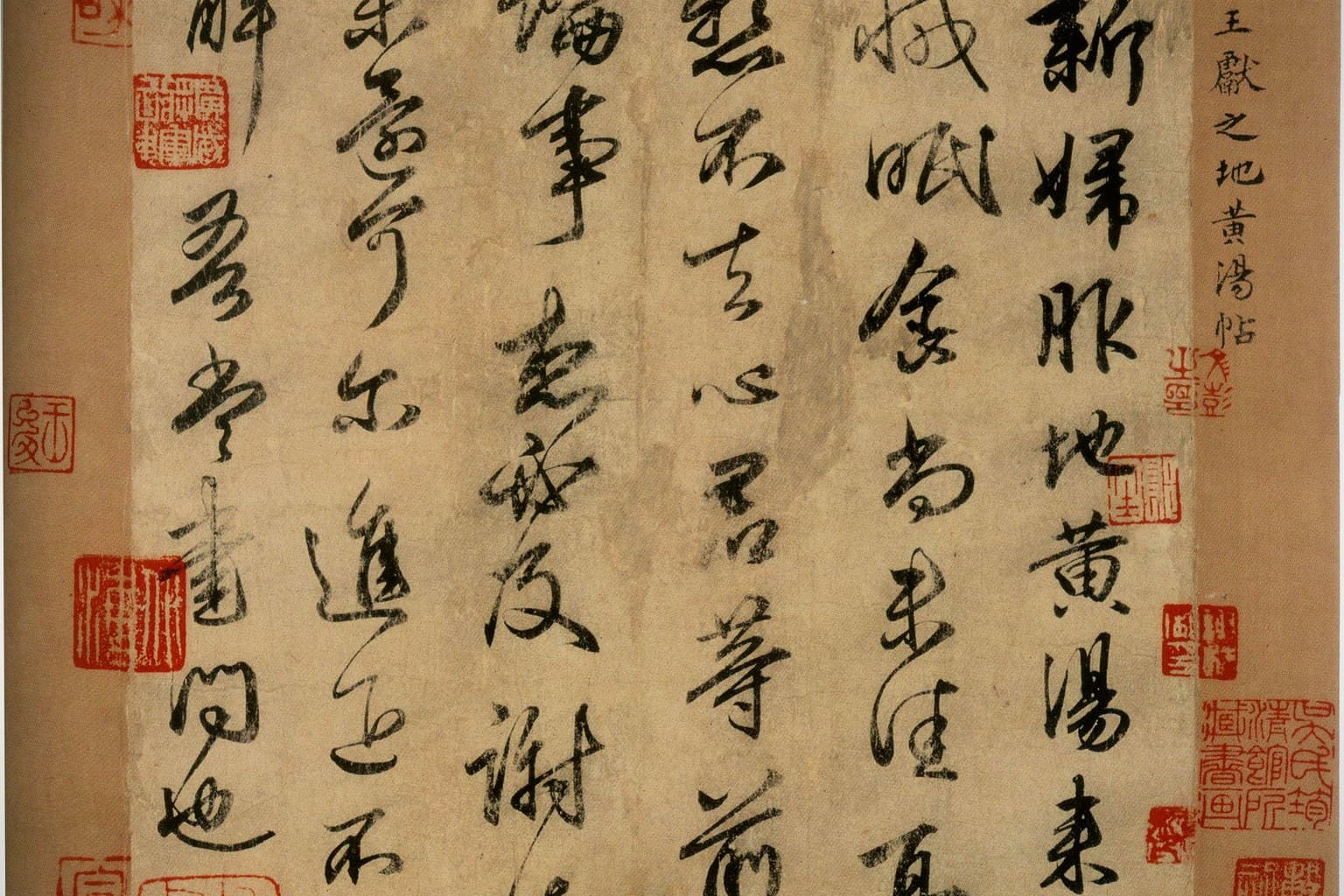
Small sayings, long memory
This guide turns Chinese idioms and proverbs into a calm entry point for Western readers. The focus is cultural context, practical reflection, and everyday judgment rather than outcome-heavy claims or flattened motivational quotes.
- A short welcome on how to read Chinese sayings without flattening them into slogans.
- 21 sayings grouped around patience, timing, humility, learning, resilience, and relationships.
- Plain-English explanations with cultural context and reflection prompts.
- A weekly practice format for using one saying at a time.
Use one saying before collecting another.
The guide is designed as a quiet practice companion. A reader can print it, keep it near a journal, and return to one saying at the beginning or end of a week.
Notice the situation behind the saying: timing, restraint, learning, humility, resilience, or relationship judgment.
Write one small way the saying could change your next conversation, decision, delay, or response.
A softer bridge into Eastern wisdom
Build a first vocabulary for Chinese wisdom without needing academic background.
Use short sayings as reflection prompts rather than superstition or fortune-cookie advice.
Move naturally from the Learning library into deeper guides and future ebooks.
Reader path
Let one phrase open the wider library.
This PDF is an approachable doorway. Readers who want more context can continue into idioms, Daoist foundations, and daily cultivation without jumping straight into complex classical systems.
Frequently Asked
Before downloading the PDF
What is the Chinese Wisdom Sayings guide?
It is a free beginner PDF with 21 Chinese idioms and proverbs arranged around patience, timing, humility, resilience, learning, and relationships.
Are Chinese idioms the same as proverbs?
Not exactly. Many Chinese idioms, especially chengyu, are compact four-character expressions with historical or literary roots, while proverbs are usually broader sayings passed through daily speech.
Is this guide about fortune telling?
No. The guide uses sayings as cultural reflection prompts for ordinary judgment and self-understanding, not as prediction, guaranteed advice, or a replacement for professional guidance.
How should I use the guide each week?
Choose one saying, read the context slowly, write one sentence about where it appears in your life, and turn it into one small action or restraint for the week.
This is the first lead magnet for the Eastern Wisdom direction: approachable enough for new readers, connected enough to support future paid ebooks, and grounded enough to avoid superstition-heavy positioning.